Best Lick Mat for Crate Training Puppies (2026 Guide)
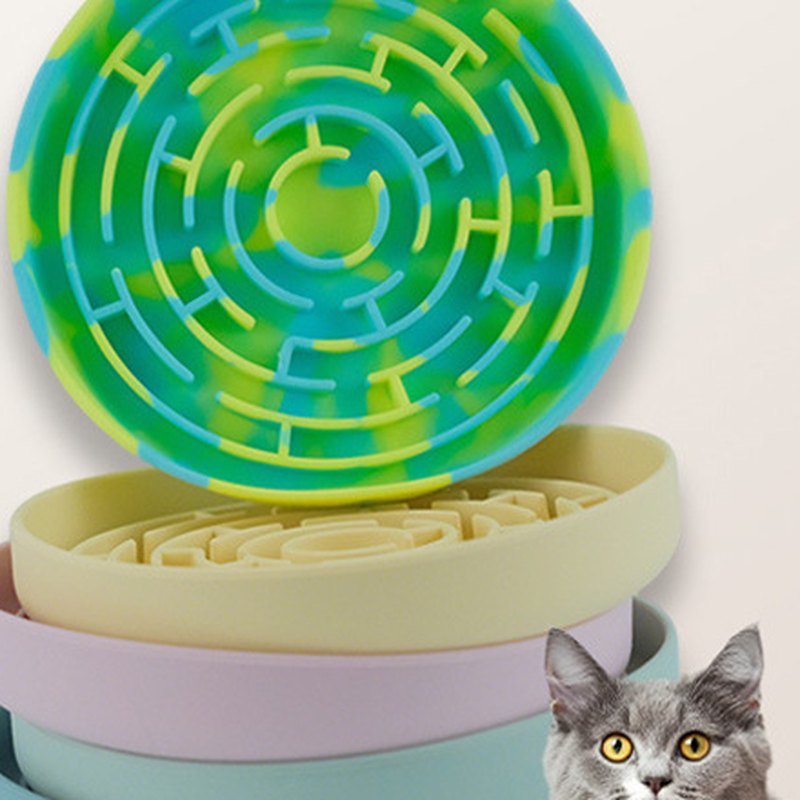
The best lick mat for crate training is a food-grade silicone mat with a suction-cup base, shallow texture, and a size that fits your crate tray. Add a thin smear of xylitol-free peanut butter or plain yoghurt, frozen for 30–60 minutes, and most puppies will lick for 10–20 minutes — enough for the crate to feel calm.
Why lick mats work for crate training
Licking is naturally soothing for dogs: the slow, repetitive tongue movement helps a puppy wind down. When that calm licking happens inside the crate, the puppy learns the key association: crate equals good things and quiet time. The American Veterinary Society of Animal Behavior (AVSAB) advocates reward-based training — the same approach behind building positive crate associations through food puzzles, rather than forcing a puppy inside and waiting out the crying. A lick mat is one of the easiest tools: cheap, no batteries, ready in a minute.
What to look for in a crate-training lick mat
- Suction-cup base. The most important feature: a sliding mat becomes a toy. Look for 4–6 cups gripping smooth crate trays that resist a firm tug.
- Food-grade silicone, FDA / LFGB tested. Puppies chew everything, so the mat must be certified food-grade silicone. Ask for the finished-product test report — U.S. Food and Drug Administration (FDA) or German Food and Feed Code (LFGB) — see our guide on how to verify FDA and LFGB test reports.
- Shallow texture (2–3 mm nubs or ripples). Deep pockets trap food and frustrate a small puppy; shallow texture stretches the session while the puppy can still reach the food.
- Right size. Standard mats are about 20 × 20 cm; small ones around 13 × 13 cm. Cover at most half the crate floor, leaving room to lie down.
- Easy to clean. You will wash it daily; food-grade silicone is dishwasher-safe on the top rack.
How to use a lick mat for crate training, step by step
Introduce the mat gradually: rushing — mat in crate, door shut, puppy alone — teaches the puppy the crate means abandonment.
- Step 1 — Outside the crate. Let the puppy lick a thin, unfrozen smear off the mat on the floor, two or three short sessions.
- Step 2 — Just inside the crate. Place the mat near the entrance, door wide open; let the puppy walk in, lick, and walk out freely. Repeat 2–3 days.
- Step 3 — Freeze the filling. Once the puppy happily enters the crate, spread 1–2 tablespoons of filling and freeze the mat for 30–60 minutes; frozen fillings last 2–3 times longer.
- Step 4 — Close the door briefly. With the frozen mat stuck down, close the door for 2–5 minutes while you stay nearby. Open it before the puppy finishes, while still happy.
- Step 5 — Build duration slowly. Add a few minutes daily; most puppies reach 15–30 minutes of relaxed crate time within 1–2 weeks.
What to spread on the mat
Keep fillings thin, soft, and puppy-safe: a 2–3 mm layer is plenty, since a thick pile turns the mat into a bowl. Good options include xylitol-free peanut butter — check the label every time, since xylitol (also listed as birch sugar) is extremely toxic to dogs — and plain yoghurt or pumpkin purée, which is gentle, easy to freeze, and unsweetened. See our lick mat peanut butter recipes for safe combinations.
Soaked kibble or wet food, mashed from the puppy's meal, turns mealtime into crate training. Mashed banana or blueberries add variety in small portions; treats should stay under 10% of daily calories, according to the treat guideline veterinarians commonly cite. Never use chocolate, xylitol-sweetened foods, grapes, raisins, onions, or macadamia nuts — all are toxic to dogs.
Mistakes to avoid
- No supervision. Stay within earshot at first; a determined chewer can gnaw off a corner. Remove the mat once the filling is gone.
- Mat as the only training. The mat builds a positive association, but it does not replace daytime practice, toilet breaks, and alone-time work.
- Ignoring calories. Count fillings as part of the day's food — a tablespoon of peanut butter holds roughly 90–100 calories. Under 10 weeks, start with soft fillings, not frozen mats.
Our pick for 2026
For most puppies, start with a food-grade silicone lick mat with a suction-cup base, standard 20 × 20 cm size, shallow nub pattern. It fits crate trays, stays put, and cleans in seconds. Pair it with a beginner slow feeder bowl. Questions? Contact the NIOCS team.
Quick answers
At what age can a puppy start crate training with a lick mat?
From about 8 weeks, once the puppy is home. Start with soft fillings, the door open, and short sessions; let the puppy leave freely. Supervise until the puppy will not chew the mat.
How long should a puppy stay in the crate with a lick mat?
A frozen mat typically keeps a puppy occupied for 10–20 minutes. Build toward 15–30 minutes of relaxed crate time over 1–2 weeks; open the door while the puppy is calm.
Can I leave the lick mat in the crate overnight?
No. Remove the mat once the filling is finished, and never leave a puppy unsupervised with a mat it could chew.
Stock puppy crate-training lick mats
Custom colors and logo at low MOQs — quoted within 24 hours.
💬 Get a Wholesale Quote