Best Lick Mat for Senior Dogs: Gentle Picks & Tips
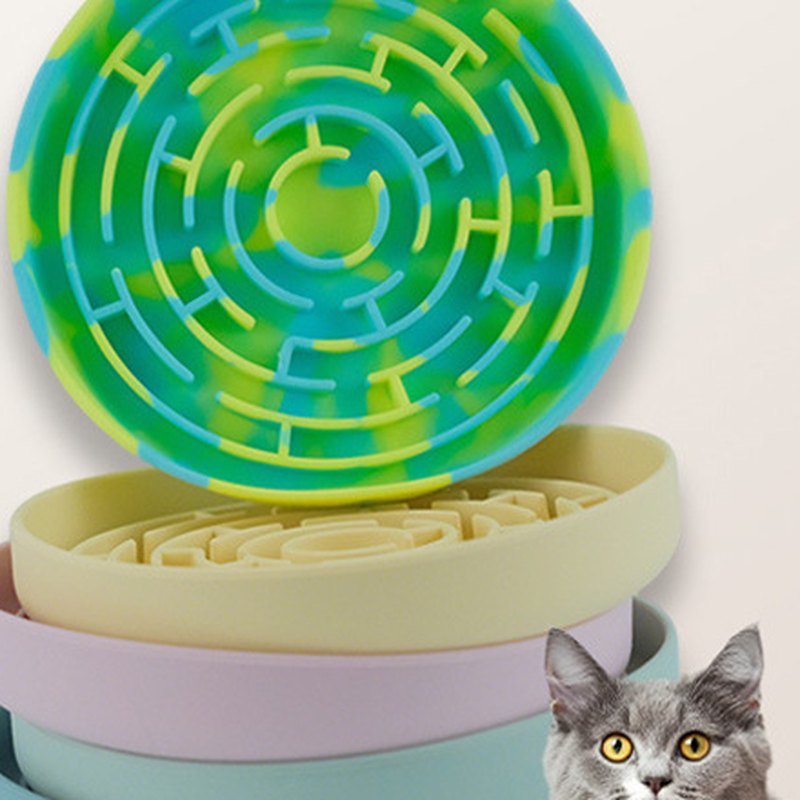
The best lick mat for a senior dog is a soft, low-profile mat in food-grade silicone with gentle, shallow textures — not the deep, challenging patterns made for young power-chewers. A good senior lick mat turns meals into calm 10–15 minute licking sessions. It soothes anxiety, supports digestion, and gives an aging dog gentle mental enrichment without straining worn teeth or arthritic jaws.
Why lick mats suit older dogs
Senior dogs — roughly aged 7+ for large breeds and 10+ for small ones — often face three mealtime problems. These include fewer teeth or dental pain, arthritis that makes bending to a deep bowl uncomfortable, and appetite loss linked to anxiety or cognitive decline. Licking is a self-soothing behavior — repetitive licking is associated with lower cortisol, the stress hormone — so a lick mat delivers food at a pace an older dog controls. Unlike tall puzzle feeders that need to be pawed and flipped, a mat lies flat and asks nothing of stiff joints. See also our lick mat anxiety guide and senior slow feeder bowl guide.
What to look for: 5 senior-friendly features
1. Shallow, gentle textures. Older dogs with worn or missing teeth struggle with deep grooves. Pick mats with low, rounded ridges or soft nubs — no sharp edges that could scrape gums.
2. Food-grade silicone, bisphenol A (BPA)-free. Senior dogs may chew more out of discomfort, so the mat must be safe if nibbled. Look for mats certified food-grade by the U.S. Food and Drug Administration (FDA), or tested to the German food-contact safety standard Lebensmittel-, Bedarfsgegenstände- und Futtermittelgesetzbuch (LFGB). Reputable suppliers can show a test report — we treat this as a hard requirement when sourcing.
3. Thin, flexible profile. A mat under 1 cm thick sits almost flat, so a dog with neck or back stiffness doesn't have to angle its head into a tall rim. Flexible mats also roll up for travel — handy for vet visits.
4. Suction cups or non-slip base. An enthusiastic licker can drag a loose mat across the floor. Suction cups grip smooth tiles; a textured underside helps on other surfaces.
5. Easy to clean. Wet food and yogurt dry into deep grooves fast. Choose smooth-walled patterns you can rinse or toss in the dishwasher (top rack). Avoid mats with tiny holes that trap residue — a bacteria risk for dogs with weakened immunity.
Our picks for senior dogs
We don't rate specific brands, but these are the mat styles we recommend to retailers stocking the senior segment:
- Best overall: low-ridge silicone lick mat. A 20 × 20 cm food-grade silicone mat with soft square ridges and a suction-cup base. Works with purees, spreads and soaked kibble. Factory price: typically $0.80–1.50 at 500–1,000 units.
- Best for small breeds: mini paw-pattern mat. Around 13 × 13 cm with gentler nubs and smaller portions per session — ideal for Chihuahuas, Yorkies and Dachshunds.
- Best for dental-sensitive dogs: ultra-soft nub mat. Rounded dome nubs with no sharp valleys, the softest option for dogs missing teeth. Supervise use — determined chewers can pierce very soft mats.
- Best value bundle: lick mat + shallow slow feeder. Retailers tell us the pair outsells either alone for senior-dog households — the same factories make both, which keeps combined freight costs down.
When quoting suppliers, ask for the mat's exact thickness in millimeters and a photo of the underside texture; "gentle" means nothing without dimensions.
How to use a lick mat safely with a senior dog
- Start with easy spreads. Plain yogurt, peanut butter (xylitol-free), pumpkin puree or soaked kibble mashed flat — spread thin so the first session takes 5 minutes, not 30. A frustrated senior dog will just walk away.
- Frozen for calm, fresh for appetite. Freezing the loaded mat for 2–3 hours stretches the session. Serve it unfrozen if your senior is a picky eater, since the smell carries better and sparks appetite.
- Always supervise. This is the non-negotiable rule for older dogs. Seniors with cognitive decline may try to chew and swallow pieces of the mat — if you see gouging, retire it. See our guide to stopping chewing on feeding products for retraining steps.
- Match it to medication time. The long licking session distracts from pills hidden in the spread. Check with your vet first about which foods mix safely with your dog's prescriptions.
When a lick mat is not enough
A lick mat is enrichment, not nutrition. If your senior dog is losing weight, refusing food for more than 24 hours or showing mouth pain, that's a vet visit — not a shopping decision. Also mind the calorie load: a large peanut-butter spread can add 100+ calories, which matters for seniors watching their weight.
If you're a retailer or brand, browse our product range or contact the NIOCS team — we compare vetted factories on material certificates, thickness specs and MOQs, and quote within 24 hours.
Quick answers
Are lick mats safe for senior dogs with few teeth?
Yes — shallow-textured silicone lick mats suit toothless or dental-sensitive seniors best. Choose soft, rounded patterns with no sharp edges that could scrape gums. Spread food thin so licking stays effortless, and always supervise the session. Retire the mat if your dog starts gouging or chewing pieces off it.
How long should a senior dog use a lick mat per day?
One or two 10–15 minute sessions is plenty for most senior dogs. That window delivers the calming, enrichment and slow-feeding benefits without overdoing it. Longer or more frequent sessions add significant calories from spreads like peanut butter or yogurt, which matters for seniors watching their weight.
Can a lick mat replace a slow feeder bowl for an old dog?
Often, yes. A flat mat is easier on stiff necks and worn teeth than a deep bowl, and it needs no pawing or flipping — good for arthritic dogs. For dogs that still prefer bowls, choose a shallow, raised slow feeder bowl instead. Many owners use both: the mat for treats and medication time, the bowl for main meals.
Stock senior-friendly lick mats at factory prices
Send us the style and quantity you need — we compare vetted factories and reply with a quote in 24 hours.
💬 Get a Wholesale Quote