How to Import Pet Products from China: A Step-by-Step Guide
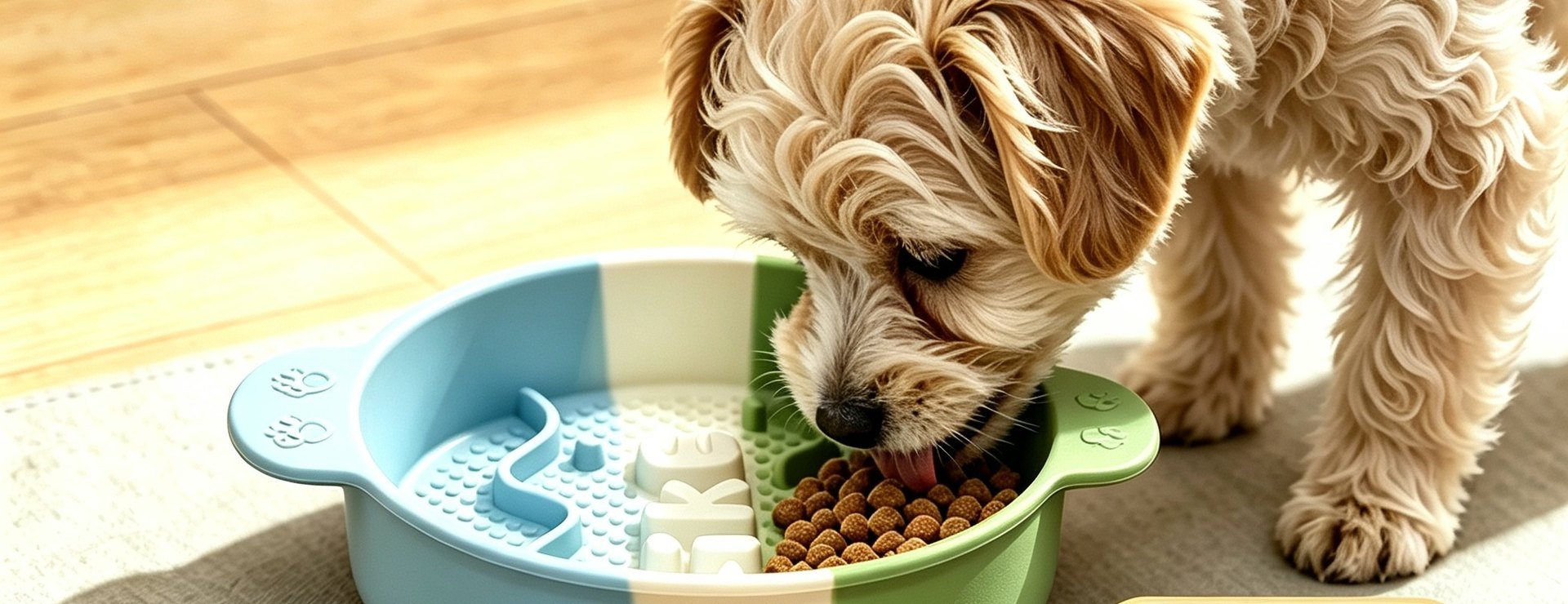
To import pet products from China, find 2–3 vetted factories, verify their FDA or LFGB food-contact reports, get itemized quotes, run a pre-shipment QC check, and choose express, air or sea freight based on your volume. The whole process typically takes 3–6 weeks from first inquiry to delivery — and most costly mistakes happen in the first two steps. Below is the exact workflow we use as a China-based sourcing team.
1. Source 2–3 candidate factories
Start on 1688 (domestic, cheapest) or Alibaba (export-focused, English-speaking) and shortlist factories that specialize in your product category — silicone molding, plastic injection, or textiles — rather than generic trading companies. A factory's profile should show its production lines, years in business, and export history.
Request a video call or factory tour footage. Legitimate manufacturers show their workshop without hesitation; traders dodge it. Aim for at least two comparable factories so you can benchmark price, MOQ and lead time against each other.
2. Verify certifications and real capability
For anything that touches pet food or water, FDA (USA) or LFGB (EU) food-contact test reports are non-negotiable. Ask for the report's scan — not a verbal claim — and check that the product name on the report matches what you're buying. A factory without a report is an instant disqualification; this is our hard rule at NIOCS.
Also confirm: can they make your exact design at your volume? Factories that subcontract unfamiliar processes often produce defects they'd never catch themselves. Ask who actually runs the molding line.
3. Quote like a buyer, not a browser
Send a written RFQ with specs, quantity tiers (e.g. 500 / 1,000 / 2,000 pcs), target material, color, logo method and packaging. Vague messages get vague prices. A proper RFQ also forces the factory to commit lead time in writing — stock designs ship in about 7 days; custom colors or tooling need 15–25 days.
Compare quotes line by line: unit price, tooling/mold fees, packaging, and freight. The cheapest unit price often hides expensive packaging or a 30-day lead time that kills your season. Typical MOQs for pet supplies are 300–500 pcs for standard designs, negotiable for trial orders.
4. QC: never skip the pre-shipment check
Before paying the balance, get photos and videos of the finished goods — or hire a third-party inspector ($100–200 for a day visit) for orders above a few thousand dollars. Check color, logo printing, seam finish, weight and packaging against your agreed spec sheet.
The standard payment structure protects you: 30% deposit to start production, 70% balance only after QC approval (or against the bill of lading copy for sea freight). Never wire 100% before seeing finished goods.
5. Ship: pick freight by volume and deadline
Choose your freight method by balancing cost against time:
- Express (DHL/UPS) — 3–7 days door-to-door. Best for samples and urgent small batches under 100 kg, but the most expensive per kilo.
- Air freight — 7–12 days. The sweet spot for 100–500 kg orders or seasonal restocks.
- Sea freight (LCL) — 25–40 days. Cheapest per unit for 1 CBM and up; consolidate multiple SKUs into one shipment to cut costs.
Your forwarder or sourcing agent handles the export paperwork (commercial invoice, packing list, HS codes); confirm who files it before the order is placed. For a deeper look at factory prices and MOQ tactics, see our wholesale buyer's guide.
Doing it yourself vs. using a sourcing agent
Importing yourself works if you speak Chinese, can vet factories on-site, and have a reliable forwarder. If not, a sourcing agent on the ground — like our team at NIOCS — finds and verifies factories, negotiates prices at multiple tiers, runs QC and consolidates shipping, for a margin on top of factory price. For first-time importers, that margin usually costs less than one bad shipment.
Browse our current pet product line to see typical factory specs, and reach out via our contact page with the product and quantity you need — we compare vetted factories and quote within 24 hours.
Quick answers
How much does it cost to import pet products from China?
Unit prices are the smallest part: factory slow feeder bowls run $0.80–4 depending on material and MOQ. Budget additionally for freight ($1–3/kg by air, far less by sea), customs duties in your country, and inspection fees. Message us for an all-in landed-cost quote.
What is the minimum order quantity (MOQ)?
Typically 300–500 pcs for standard pet supply designs; smaller trial orders are often negotiable. Custom colors or private-label tooling may require 1,000+ pcs to justify the mold cost.
Do I need FDA/LFGB certification to sell pet bowls?
FDA and LFGB are test reports (not brand certifications) proving the material is safe for food contact. While not always legally mandatory for pet products in every market, major retailers and informed buyers expect them — and NIOCS only works with factories that hold them.
Import pet products without the guesswork
Send us the product and quantity — we verify factories, run QC and arrange shipping to your door.
💬 Get an Import Quote