Do Lick Mats Work for Cats?
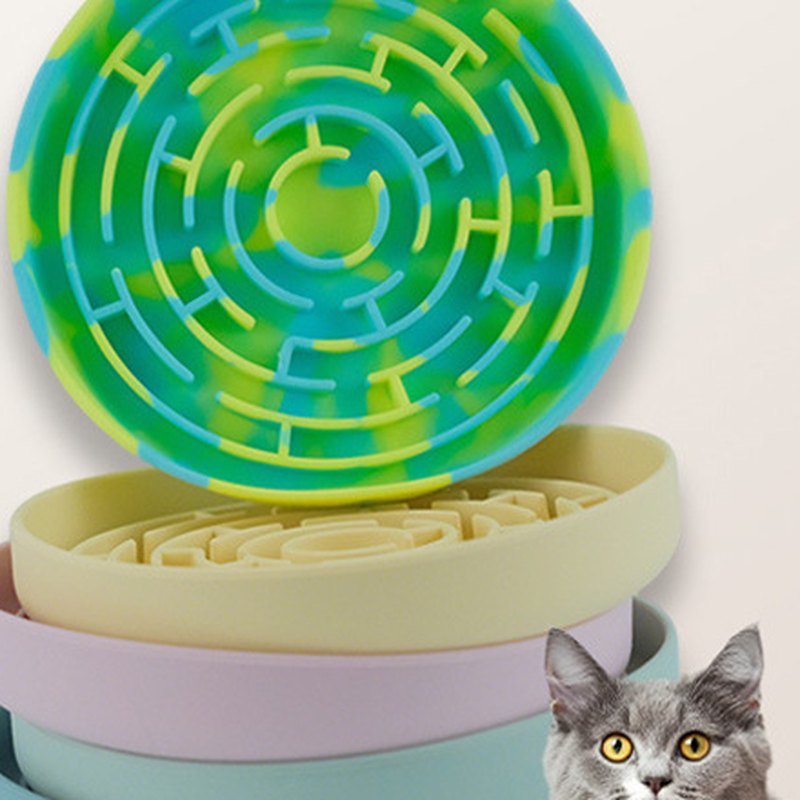
Yes — lick mats work for most cats. Spreading wet food or puree across the textured surface turns a 60-second inhale into a 10–15 minute licking session, which slows eating and gives anxious cats a repetitive, self-soothing activity. The main caveats: pick a cat-sized mat with shallow grooves, use only cat-safe spreads, and supervise chewers.
Why lick mats suit cat behavior
Cats are wired to work for food in small, repeated bouts — wild cats eat 8–12 tiny meals a day. A lick mat recreates that grazing rhythm indoors. Each lick releases endorphins, the same feel-good chemistry behind kneading and slow blinks, which is why behaviorists recommend licking activities for cats that over-groom, pace, or hide during stressful events like moves, vet visits, or new pets.
For fast eaters, the benefit is mechanical: the raised ridges physically limit how much tongue surface contacts the food, so a meal that used to vanish in a minute now takes 10 minutes or more. That slower pace means fewer regurgitated meals — a common complaint in multi-cat households where cats compete to finish first.
Clinical case evidence backs this up. In a 2016 paper in the Journal of Feline Medicine and Surgery (Dantas et al.), over 30 veterinary cases showed food puzzles helping cats with weight, anxiety, and aggression — one obese 8-year-old cat lost 20% of its body weight within 12 months. Researcher Mikel Delgado advises: When starting out with a food puzzle, it's important to make it easy for the cat at first so they can figure it out and not become frustrated.
A 2019 survey of 3,192 cat owners found only 30% use a food puzzle — headroom for retailers.
What to look for in a cat lick mat
Dog lick mats and cat lick mats are not interchangeable. Cats have delicate tongues and whiskers, so the details matter:
- Shallow texture (3–5 mm deep): deep labyrinths designed for large dogs frustrate cats; their short tongues can't reach the bottom and they give up.
- Small footprint (about 12–18 cm): a mat roughly the size of a saucer holds a single cat portion (around 30–60 g of wet food) without wasting spread across empty surface.
- Food-grade silicone, free of bisphenol A (BPA): the standard. Soft silicone is gentle on sensitive tongues and whiskers, and survives the dishwasher on the top rack.
- Suction-cup or non-slip base: cats paw at mats more than dogs do. A base that grips smooth floors keeps the mat — and the wall behind it — clean.
- Rounded, open pattern: wide waves or pebble dots are easier for cats to lick clean than tight crosshatch grids, and they rinse out in seconds.
Safe spreads for cats (and what to avoid)
The mat is only as safe as what you put on it — try these cat-safe options:
- Plain wet cat food or meat puree
- Pumpkin puree (plain, no spices — good for hairball-prone cats)
- Lickable squeeze-tube cat treats, in a thin layer
- A thin smear of plain yogurt for cats that tolerate dairy
Keep spreads thin — about 2 mm. Skip onion, garlic, xylitol, chocolate, and heavy salt. Freeze the loaded mat for 1–2 hours for sessions over 20 minutes.
Portion math for retailers
A 15 cm cat mat holds one 40 g serving of wet food. One 50 g squeeze tube covers about one full mat — a natural upsell bundle for cat enrichment kits.
When a lick mat is not the answer
Honest limits: some cats simply ignore lick mats, especially seniors with dental pain or cats that have only ever eaten from a bowl — expect 2–3 days of gradual introduction. Aggressive chewers can shred thin silicone; if your cat bites rather than licks, switch to a thicker mat and supervise, or try a whisker-friendly slow feeder bowl instead. If vomiting persists after a week of slow feeding, see a vet.
Cleaning and replacement
Silicone lick mats are dishwasher-safe (top rack) and should be washed after every use — dried puree in grooves grows bacteria fast. Soak 5 minutes in warm soapy water, then scrub with a soft brush. Replace the mat when grooves lose their texture, the surface gets tacky, or your cat chews off pieces: for daily users that's every 6–12 months. In bulk they cost under $1 at 500-piece MOQs, so replacements are cheap.
The bottom line for cat owners and stores
For most cats, a lick mat is one of the cheapest enrichment tools available — a few dollars retail for a measurable change in eating speed and calmness. Retailers: cat-specific mats with shallow textures are undersupplied compared with the dog range, which makes them a sensible private-label add-on alongside slow feeder bowls. Check the NIOCS catalog for factory-direct pricing.
Quick answers
Do lick mats really calm anxious cats?
Repetitive licking releases endorphins and gives nervous cats a focused activity, which helps with mild stress from moves, visitors, or grooming. It's a supplement to — not a replacement for — addressing the underlying stressor.
Can kittens use lick mats?
Yes, once they're weaned onto solid food (around 8 weeks). Use a shallow mat and a thin layer of kitten-safe wet food, and always supervise — kittens explore with their teeth.
How much does a wholesale cat lick mat cost?
Factory prices from China are typically $0.60–$1.50 per unit at 500-piece MOQs, depending on texture depth and custom colors. Message us with your target quantity for an exact quote.
Stock cat lick mats at factory prices
Send us the design and quantity you need — we compare vetted factories and reply with a quote in 24 hours.
💬 Get a Wholesale Quote