US Section 301 Tariffs on Chinese Pet Products (2026)
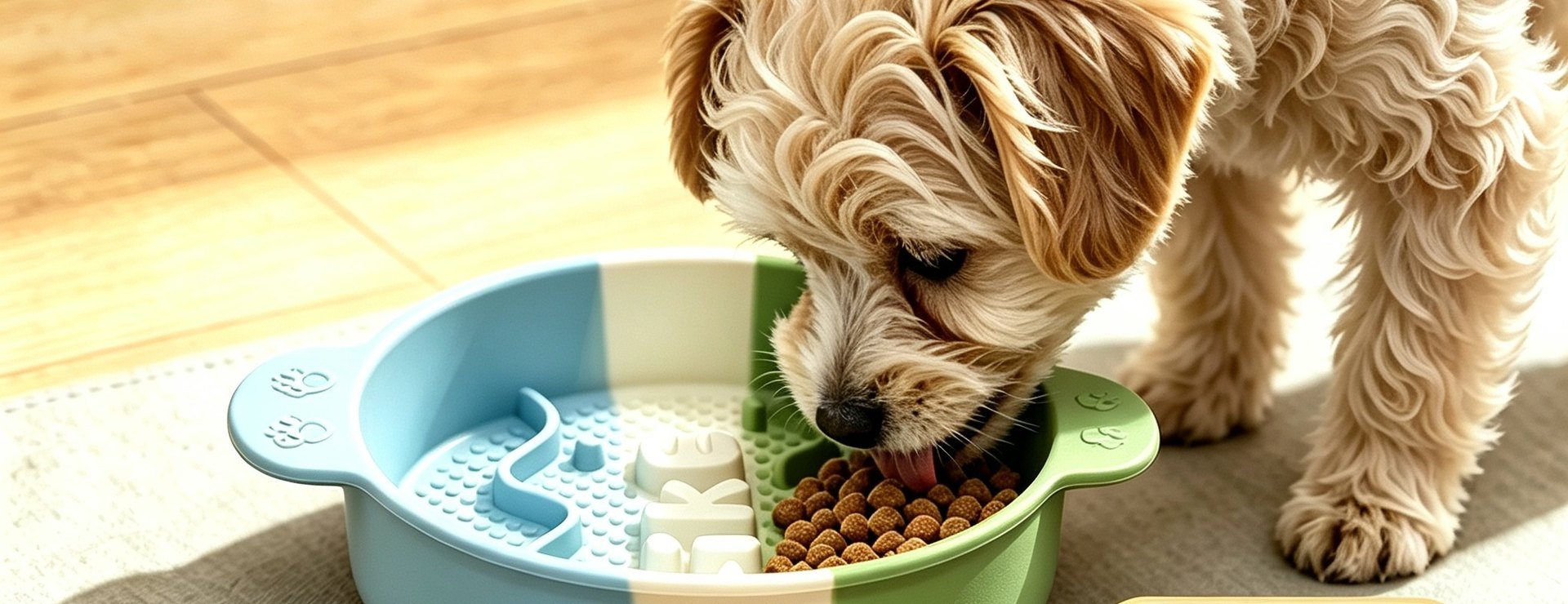
Yes, US Section 301 tariffs still apply to many Chinese-made pet products in 2026. They add to normal customs duty, are paid by the US importer, and depend on the product's tariff code — most commonly 25% (List 3) or 7.5% (List 4A). Before ordering, check the rate for your code: ignoring Section 301 can understate landed cost by thousands of dollars.
1. What Section 301 tariffs are
Section 301 of the US Trade Act of 1974 lets the US Trade Representative (USTR) impose extra duties on imports from countries found to engage in unfair trade practices. For China, they were rolled out in four tranches between July 2018 and September 2019. List 3 (about $200 billion of Chinese goods) rose to 25% in May 2019; List 4A was set at 7.5% in February 2020 after an initial 15% rate was halved under the Phase One deal.
Section 301 duty stacks on normal Most Favoured Nation (MFN) duty, plus the 0.3464% processing fee and, for sea freight, the 0.125% harbor fee — paid by the US importer, not the Chinese factory. The USTR's May 2024 four-year review kept them in place: treat them as a standing cost.
2. Which pet products are affected
Section 301 does not tax "pet products" as a category. It taxes specific Harmonized Tariff Schedule (HTS) subheadings, scattered across chapters — bowls and mats under plastics, pet food under its own heading, beds and toys under others. Similar products can therefore carry different rates, and a supplier's "no tariff applies" claim is worthless without the code behind it.
Assume a Chinese-made pet product is covered until checked otherwise: most everyday pet supplies were swept into List 3 or List 4A, and most exclusions have expired.
3. How to check your product in four steps
- Get the HTS code. Ask your supplier for the 10-digit code they ship under, then confirm it with a customs broker. The first 6 digits are international; the last 4 are US-specific.
- Search the Section 301 lists. Look the code up in the USTR's List 1–4A annexes, or the HTS Chapter 99 notes that implement them, to see whether it is listed and at which rate.
- Check for exclusions. Unless you can point to a live exclusion covering your code and shipment date, budget for the full rate.
- Get a broker's written quote. Before ordering, ask a broker for the total duty stack — MFN duty plus Section 301 plus fees — for your exact code, value and port.
Tariff rules change, and 2025 measures can stack on Section 301 — re-check the total rate at order time. Our landed cost guide shows how to build the per-unit figure.
4. A worked example: 2,000 silicone slow feeder bowls
Take 2,000 silicone slow feeder bowls at $2.00 each ($4,000 goods value). At 25% (List 3), Section 301 duty alone is $1,000 — $0.50 per bowl — before normal duty, freight and fees. At 7.5% (List 4A), it is $300, or $0.15 per bowl. That $700 gap can exceed a first order's margin — hence check the code before ordering.
With MFN duty and fees added, a $4,000 shipment at 25% can carry $1,100–$1,300 in import charges before freight — price from the landed figure, not the factory price.
5. Five legal ways to reduce the tariff hit
- Negotiate the factory price. Section 301 is a percentage of customs value, so a lower unit price also means lower duty.
- Choose your Incoterms deliberately. Under Delivered Duty Paid (DDP), the seller pays import duty; under Free on Board (FOB) or Ex Works (EXW), you do. Compare quotes like-for-like — see our Incoterms guide (500-piece example).
- Classify correctly, not conveniently. A genuinely different material or design can legitimately fall under a lower-duty code. Misclassifying a product to chase a lower rate is customs fraud.
- Do not rely on de minimis. Small-parcel duty-free treatment from China was curtailed in 2025 and never applied to wholesale shipments.
- Never reroute origin. Shipping Chinese goods through a third country and relabelling them does not change their origin. If a supplier suggests it, find another supplier.
What to ask before you order
Add tariff diligence to your checklist, next to MOQ, lead time and QC: confirm the code and rate in writing, get the broker's total-duty quote, and build the landed cost per unit before agreeing a price. Do this once per product and reuse the code for every reorder. Priced in, Section 301 is $0.15–$0.50 per bowl against retail prices of $10–$25; discovered at the port, after shipment, it is far more expensive.
Quick answers
Do Section 301 tariffs apply to all pet products from China?
No — they apply by HTS code, not by product category. Most everyday pet supplies are covered at 25% (List 3) or 7.5% (List 4A), but check your exact code.
Who pays the Section 301 tariff — the factory or the buyer?
The US importer of record pays it to US Customs, on top of normal duty and fees. Under DDP the seller pays it — confirm in writing that the DDP price includes it.
Can my supplier avoid the tariff by shipping via another country?
No. Origin is where the product was made, not where it was last shipped from. Rerouting Chinese goods to hide origin is customs fraud.
Source pet supplies with the duty priced in
Send us the product and quantity for a quote within 24 hours.
💬 Get a Wholesale Quote