Are Plastic Dog Bowls Safe? BPA-Free Buying Guide
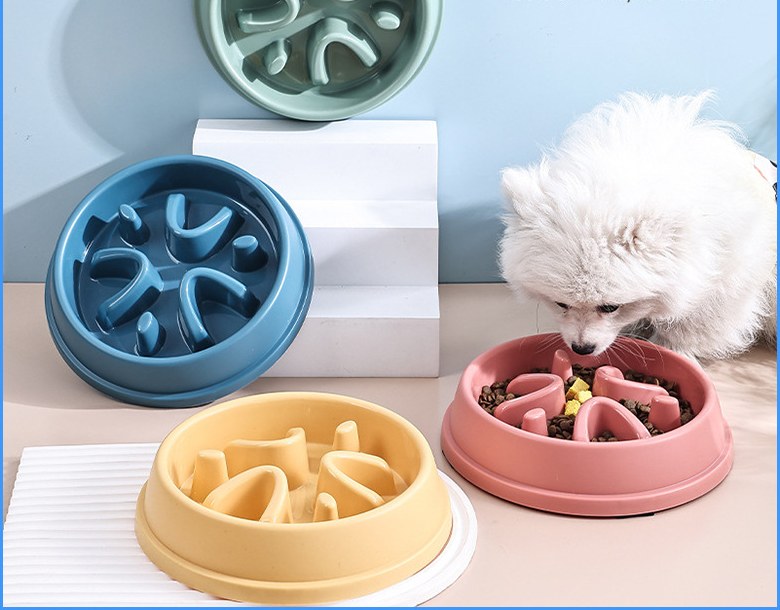
Quick answer: Yes — food-grade plastic dog bowls made from BPA-free PP (polypropylene) or Tritan are safe for daily use. The risk comes from cheap, ungraded plastics that may contain bisphenol A (BPA), phthalates, or lead-based colorants. Checking the recycling code and asking for a test report takes less than five minutes, and it separates safe bowls from suspect ones.
Why some plastic bowls are risky
Not all plastics are food-contact plastics. Bowls molded from recycled scrap or industrial-grade resin can leach plasticizers — especially when filled with warm, oily, or acidic food. Bisphenol A (BPA) is the most-discussed concern. It's a hardening chemical used in polycarbonate and some epoxy linings, and the European Food Safety Authority (EFSA) re-evaluation set a new, much stricter tolerable daily intake after reviewing hundreds of toxicity studies (EFSA, 2023). A few manufacturers have quietly replaced BPA with similar compounds — bisphenol S (BPS), bisphenol F (BPF) — which is why "BPA-free" alone is not a complete safety story.
The other classic hazard is wear: scratched, cloudy bowls develop grooves that trap bacteria and expose fresh resin layers. Any plastic bowl — safe or not — should be replaced once the surface is visibly scored.
Which plastics are safe for dog bowls
When we source plastic pet products from Chinese factories, we accept three food-grade plastics — and nothing else:
- PP (polypropylene), recycling code 5 — the industry standard. Heat-resistant to about 100 °C, dishwasher-safe, and BPA-free by chemistry (BPA is simply not used to make it). The majority of wholesale plastic slow feeder bowls are PP.
- Tritan (BPA-free copolyester) — glass-clear, very tough, and marketed as free of BPA and BPS. Premium price point, popular in Western retail.
- TPE/TPU overmolds — thermoplastic elastomer (TPE) or thermoplastic polyurethane (TPU) are sometimes used for non-slip bases or rims. Safe as long as the supplier confirms food-contact grade for any part touching food.
Avoid anything labeled only "plastic" with no resin code, plus codes 3 (PVC) and 7 (other — the catch-all that includes polycarbonate). Factory prices for food-grade PP slow feeder bowls typically start under $1 per piece at a 1,000-piece minimum order quantity (MOQ), so there is no cost reason to accept ungraded resin.
How to verify a BPA-free claim
A supplier's word is not enough. Ask for these, in this order:
- A material/test report. For the U.S. market, a U.S. Food and Drug Administration (FDA) food-contact statement — the FDA's Food Contact Substance (FCS) program reviews substances for safe intended use (FDA food-contact program). For the European Union (EU), a German Lebensmittel-, Bedarfsgegenstände- und Futtermittelgesetzbuch (LFGB) test report. Either report must cover migration limits (how much chemical leaches into food simulants), not just "material composition."
- The resin code and material name — printed or embossed on the bowl's base. Code 5 (PP) or an explicit "Tritan" mark.
- A real photo of the report — legitimate factories send a scan within a day or two. Reluctance or "we don't have one" is a disqualifier.
At NIOCS we reject suppliers that cannot produce a report — no matter how attractive the price. If you are a pet store buyer, make this the first filter in any request for quotation (RFQ) and you will eliminate roughly half of the low-end listings on wholesale platforms before price talks even begin.
"Ask for the migration test report, not just a 'BPA-free' label. The report is the only proof a bowl won't leach chemicals into warm, fatty food."
Caring for plastic bowls so they stay safe
A safe material only stays safe with decent care. Follow three rules:
- Wash daily. Leftover food film breeds bacteria within hours; a quick dishwasher cycle (top rack) or hot soapy wash keeps biofilm away.
- No harsh solvents. Bleach and strong degreasers can attack the surface. Warm water and dish soap is enough.
- Replace when worn. Deep scratches, cloudiness, or fading color mean the bowl's useful life is over — typically 12–18 months for a daily-use plastic bowl.
For big breeds, also check sizing: a bowl that's too small leads to messy eating and tooth scraping on the rims. Our Labrador sizing guide walks through exact diameters.
Our pick for 2026
For most buyers, a food-grade PP slow feeder bowl is the sweet spot: BPA-free by chemistry, dishwasher-safe, light to ship, and well under $1–2 per unit wholesale. If you want a material upgrade story for premium shelves, pair it with silicone lick mats — same factories, same shipping, bundled margin.
Frequently Asked Questions
Are BPA-free plastic dog bowls 100% safe?
BPA-free is a good start but not a guarantee. Confirm the resin is food-grade PP (recycling code 5) or Tritan, and ask the manufacturer for an FDA or LFGB test report that documents chemical migration limits. We also recommend scratch-testing samples with a fork before placing bulk orders.
How can I tell if a plastic bowl is food-grade?
Look for a recycling code embossed on the bowl's base — code 5 stands for PP, the safe food-grade standard — plus a printed "food-grade" or "BPA-free" mark. A reputable manufacturer will also share a lab test report on request. Avoid any bowl with no resin code at all.
How often should I replace plastic dog bowls?
Plan on 12–18 months for a bowl used every day. Replace it sooner if you notice deep scratches, cloudiness, rough texture, or fading color — worn surfaces harbor bacteria and expose fresh resin layers that the original safety testing didn't cover.
Get BPA-free bowls with test reports
We source FDA/LFGB-compliant plastic bowls from vetted factories and verify every batch. Send us your quantity for a quote.
💬 Get a Wholesale Quote