Dog Bowl Materials: Pros & Cons of Every Type
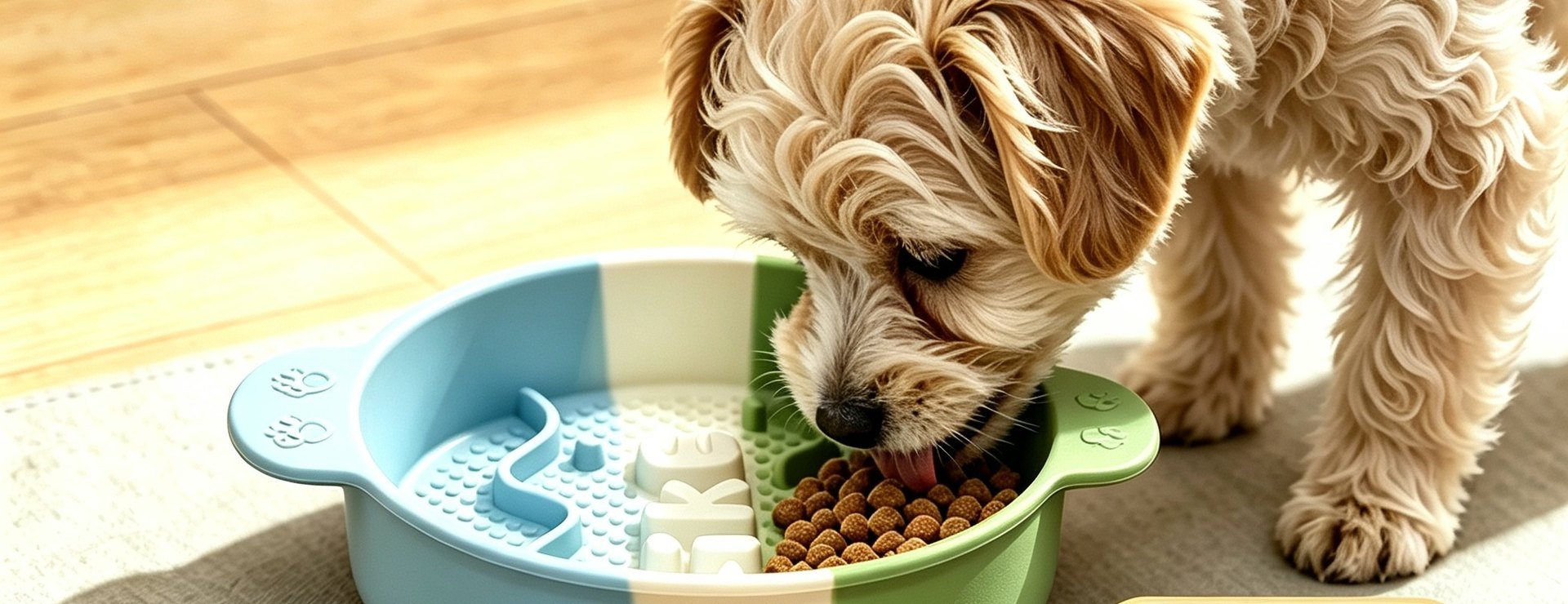
The four main dog bowl materials are stainless steel, food-grade silicone, plastic, and ceramic. Stainless steel is the most durable and hygienic choice for most dogs; silicone is the safest soft option for puppies, flat-faced breeds and fast eaters; plastic is the cheapest at scale for retailers; ceramic suits calm eaters and gift buyers. All four are safe when they are genuinely food-grade — the real risk is unlabeled, ultra-cheap bowls with no material certificate.
Price ranges in this guide reflect NIOCS factory quotes gathered in 2026. Below is the honest breakdown we use when sourcing bowls from Chinese factories.
1. Is stainless steel the best dog bowl material?
Look for 304-grade (food-grade) stainless steel. It is rust-proof, dishwasher-safe, and its non-porous surface resists the bacterial biofilm that builds up in scratched bowls. A good steel bowl lasts 5–10 years — the longest lifespan of any material here.
- Pros: nearly indestructible; chew-proof for aggressive chewers; easy to sanitize; affordable at $2–5 factory price for standard sizes.
- Cons: noisy on hard floors; slides around unless it has a rubber base; conducts heat and cold; limited colors and branding options.
Best for: heavy chewers, outdoor use, kennels, and buyers who want one bowl to last for years.
2. Food-grade silicone: soft, safe, and slow-feeder friendly
Silicone is the material behind the current generation of slow feeder bowls and lick mats. It withstands −40 °C to 230 °C, so it survives dishwashers, microwaves and freezers. Its flexibility makes it gentle on noses and teeth — a real advantage for puppies and flat-faced breeds.
- Pros: quiet; suction-cup and foldable designs possible; dishwasher-safe; custom colors and printed logos at low MOQs (often 500–1,000 pieces).
- Cons: determined chewers can gnaw through it; can retain odors from strong-smelling food; factory prices run $1.50–4, higher than basic plastic.
Best for: slow feeder and lick-mat designs, puppies, flat-faced breeds, and brands that need custom colors. See our plastic vs. silicone slow feeder comparison for a deeper dive.
3. Plastic (PP/melamine): cheapest at scale
Polypropylene (PP) is the standard food-safe plastic for pet bowls; melamine looks glossier but should be kept away from microwaves. Factory prices start under $1 for basic designs, which is why plastic dominates high-volume retail and giveaway channels.
- Pros: lowest cost and MOQs; light and shatter-proof; endless shapes and maze designs.
- Cons: scratches over time, and scratched plastic can harbor bacteria — plan to replace plastic bowls every 6–12 months; ultra-cheap unlabeled plastic may contain BPA (bisphenol A), so verify the material grade.
Best for: budget retail lines, high-volume promotions, and designs where the maze shape matters more than the material. Read our guide on whether plastic dog bowls are BPA-free before buying.
4. Ceramic: heavy, stable, and giftable
A glazed ceramic bowl is naturally heavy, so it stays put without rubber rings or suction cups. Glazed surfaces are easy to wipe clean and look premium on a shelf — which is why ceramic sells well in gift and boutique pet stores.
- Pros: very stable; attractive designs; easy to clean when properly glazed.
- Cons: breakable if dropped; cheap glazes can contain lead or cadmium — this is the material where a test report matters most; heavy, so shipping cost per unit is higher.
Best for: calm adult dogs, water bowls, and premium retail positioning.
Which material should you choose?
Match the material to the dog, not to the trend:
- Fast eater → food-grade silicone slow feeder (soft maze, quiet, safe for eager noses). Browse our slow feeder bowl range.
- Aggressive chewer → 304 stainless steel (or steel with a silicone slow-feeder insert).
- Puppy or flat-faced breed → soft silicone; avoid hard edges.
- Retailer stocking volume → plastic for the budget tier, silicone for the premium tier — the same factories often produce both.
Whatever you pick, replace bowls when they show deep scratches, chips, or cracked glaze — worn surfaces are where hygiene fails, regardless of material.
Quick answers
What is the safest dog bowl material?
304-grade stainless steel and certified food-grade silicone are the safest mainstream choices: both are non-porous, dishwasher-safe, and widely available with FDA or LFGB test reports. Ceramic is safe too if the glaze is lead- and cadmium-free — always ask for the report.
Are plastic dog bowls bad for dogs?
Not inherently. Food-grade PP plastic that is BPA-free is fine, but cheap unlabeled plastic is the riskiest category — it scratches fastest and may lack material certification. Replace plastic bowls every 6–12 months and buy from suppliers that state the grade.
Which material should I stock for my pet store?
Carry plastic at the budget tier and silicone at the premium tier — they cover the widest customer range and often come from the same factories, which simplifies shipping. Message us with your target materials and quantities for a factory quote.
Source bowls in any material, factory-direct
Tell us the material, size and quantity you need — we compare vetted Chinese factories and reply with a quote in 24 hours.
💬 Get a Wholesale Quote