How to Start an Online Pet Supply Business
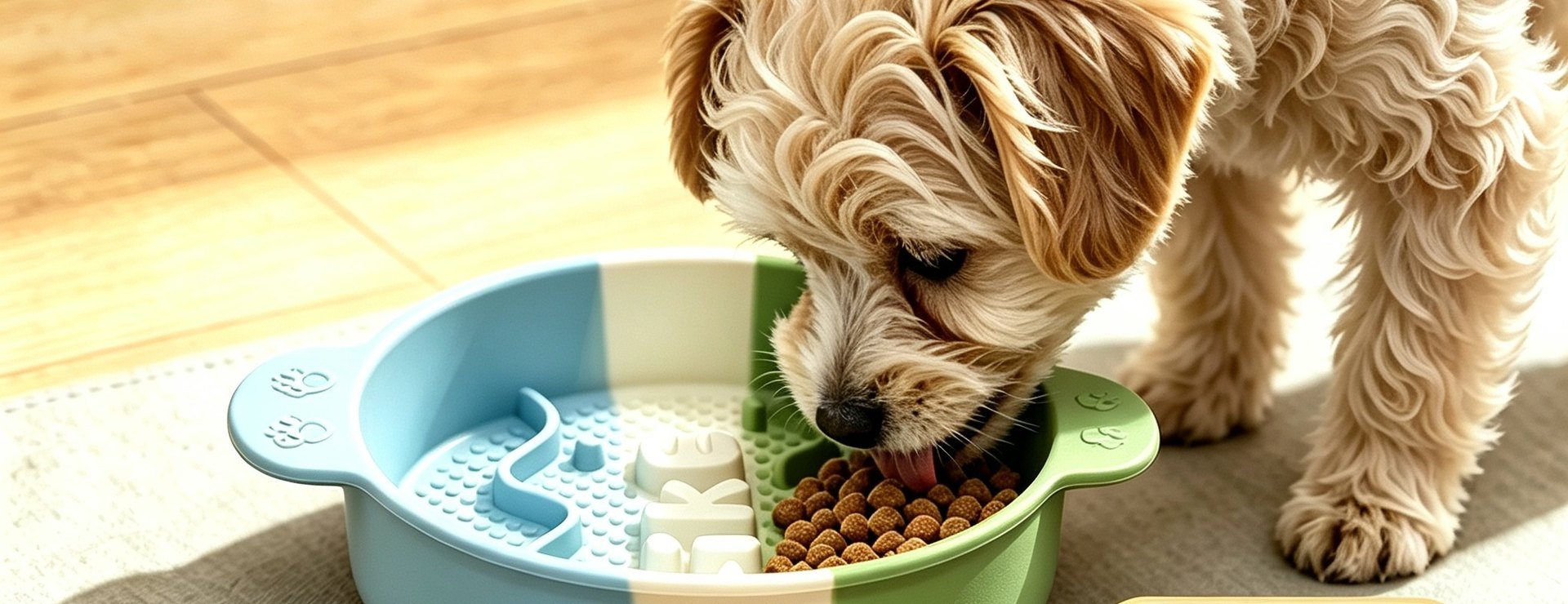
To start an online pet supply business in 2026: pick a narrow niche (e.g. slow feeder bowls or silicone lick mats), source from China at 100–500 unit MOQs, budget $2,000–$5,000 for your first inventory run, and launch on Shopify or Amazon with 5–10 products. Most new stores can go from first supplier contact to first sale in 6–10 weeks. The U.S. pet industry alone topped $147 billion in 2023, according to the American Pet Products Association (APPA), and online remains its fastest-growing channel — there is real room for focused newcomers.
1. Pick a narrow niche, not the whole pet aisle
Selling "everything for pets" means competing with Chewy and Amazon on price — a fight you cannot win. Owning one category (dogs that eat too fast, anxious pets that need lick mats) wins on expertise and repeat purchases. Two signs of a good niche:
- Consumables or bundles. Products customers re-buy raise lifetime value; feeding accessories bundle naturally with treats.
- Demonstrable difference. A slow feeder bowl's maze is visible in one photo; quality differences are obvious. If you can show it, you can sell it.
Browse our pet store bestsellers for 2026 to see which dog product categories are currently growing fastest.
As our sourcing lead puts it: "The new pet stores that survive their first year all do one thing differently — they spend their budget on depth in a single niche, not breadth across the whole catalog."
2. Decide your model: wholesale, private label, or dropshipping
Three paths, three margin profiles:
- Wholesale: buy branded stock in bulk and resell. Lowest effort, thinnest margins.
- Private label: have a Chinese factory make products in your colors with your logo. Factory prices for custom silicone bowls typically run $1.50–$4.00 per unit at 500-unit MOQs, leaving healthy room for a $14.99–$24.99 retail price. Best margin, moderate upfront cost.
- Dropshipping: no inventory, but no quality control and razor-thin margins on commodity pet goods.
For most newcomers, private label at 100–500 units is the sweet spot: brand control without tying up $20,000 in stock. Read our private-label low-MOQ guide before committing to a factory.
3. Source from China: factories, prices and timelines
China produces the large majority of the world's pet accessories, and factories in Guangdong and Zhejiang are used to working with small foreign brands. A realistic sourcing timeline:
- Weeks 1–2: shortlist 5–8 factories (Alibaba, 1688 via an agent, or trade shows). Ask for FDA (U.S. Food and Drug Administration) and LFGB (German food-safety regulation) food-contact test reports before discussing price — suppliers without finished-product reports should be filtered out immediately.
- Weeks 3–4: receive samples ($20–$60 per factory, usually credited against your first order) and test them.
- Weeks 5–6: place the order. Custom colors and logos add roughly 10–15 days to production. Typical lead time: 20–30 days for 500–2,000 units.
- Shipping: air freight takes 7–12 days but costs $4–$6/kg; sea freight takes 25–35 days at a fraction of the cost. First orders often fly small (200–500 units) to start selling fast, then go by sea.
4. Set up the store: keep it lean
Shopify ($39/month) is the default for a branded store; Amazon for built-in traffic. You need a domain, 5–10 products with real supplier photos, a shipping policy, and a safety FAQ. DIY setup cost: under $300.
5. Handle compliance before you sell
Pet food-contact products face real U.S. and EU scrutiny. At minimum: confirm BPA-free, food-grade materials with factory test reports, label accurately, and keep copies of every certificate — marketplaces and customs both ask for them. Our pet product quality control checklist covers what to verify before a shipment leaves China.
6. Get the first sales: content beats ads at the start
Before paid ads pay off, two channels work:
- Search content: buying guides bring free, high-intent traffic. One well-ranked guide can drive sales for years.
- Community proof: post in breed-specific Facebook groups, answer questions honestly, and let early customer photos sell. Ads convert far better once 20+ genuine reviews exist.
What does a realistic startup budget look like?
- $2,000–$3,000: 300–500 units of 2–3 private-label products, flown in, Shopify store live.
- $5,000–$8,000: 1,000–2,000 units across 5–8 products, sea freight, first content and ads.
- $10,000+: custom molds or original designs — only worth it once a product has proven demand.
The fastest path: one niche, three products, 500 units, launch in 6–10 weeks, reinvest profits. For the importing steps, see how to import pet products from China.
Quick answers
How much does it cost to start an online pet supply business?
Most first-time sellers launch with $2,000–$5,000: inventory, samples, shipping, and a Shopify storefront. Test demand with a small air-freight order; avoid dropshipping commodity pet goods — margins rarely survive returns.
Do I need a license to sell pet supplies online?
Pet accessories (bowls, toys, mats) generally need a standard business registration and sales-tax setup; pet food and treats face stricter regulations. Check your country's requirements before listing anything edible.
How long until the first sale?
2 weeks sourcing, 2 weeks sampling, 3–4 weeks production, 1–4 weeks shipping — 6 to 10 weeks total to a live store with stock. Pre-launch content and a waitlist can produce sales on day one.
Skip the factory-hunting learning curve
Tell us your product and target quantity — we compare vetted Chinese factories, verify test reports, and quote in 24 hours.
💬 Get a Free Sourcing Quote