Dropshipping vs Wholesale Pet Products: Which Model Wins?
If you're starting with under $1,000 and no proven products, choose dropshipping: zero inventory, but expect 15–40% margins and 12–20 day delivery from overseas suppliers. If you already sell steadily and can invest $2,000–$5,000 in stock, choose wholesale: MOQs of 100–500 units unlock 50–150% margins and 2–5 day domestic shipping. In practice, most new pet stores win with a hybrid — dropship to test, wholesale the winners. Here's how the math works for pet products in 2026.
1. The two models side by side
Dropshipping means you list products you don't hold: a supplier ships each order directly to your customer. Wholesale means you buy inventory in bulk at a discount and fulfill orders yourself or through a warehouse. The figures below are based on 2026 NIOCS sourcing data — factory quotes and client shipments.
- Startup cost: dropshipping $0–500; wholesale $2,000–$5,000 for a first pet-supply order.
- Inventory: dropshipping holds none; wholesale ties cash into stock at MOQs of 100–500 units per item.
- Typical net margin: dropshipping 15–40%; wholesale 50–150% on pet accessories.
- Customer delivery: dropshipping 12–20 days from China; wholesale 2–5 days from local stock.
- Branding control: dropshipping — none (generic packaging); wholesale — custom boxes, inserts, and logos.
2. Dropshipping pet products: honest pros and cons
The upside is real: you can list 50 products tomorrow with no warehouse, test niches for almost nothing, and walk away from losers. For beginners, that freedom matters — starting an online pet supply business is mostly a testing game in year one.
The downsides hit pet products harder than most categories. Delivery of 12–20 days frustrates buyers who need a chew toy now. You never see the product, so quality complaints and size mismatches land on you. And margins are thin: a $12.99 lick mat might leave you $3–4 after product cost, shipping, and marketplace fees.
3. Wholesale: why established sellers switch
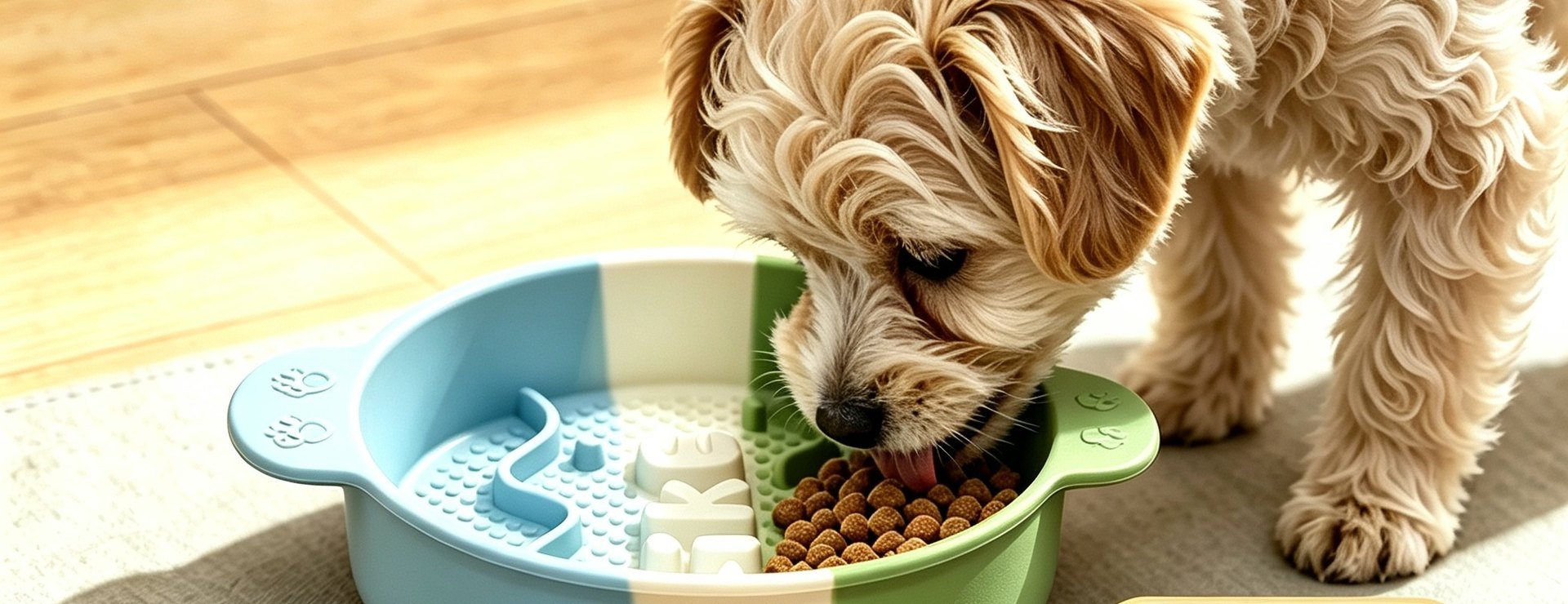
Wholesale is where the money is once you have demand. Based on 2026 NIOCS sourcing data, factory quotes for silicone slow feeder bowls run $0.90–$3.20 per unit at 500–2,000 units; the same bowls retail online at $12–$20. Buying at scale cuts the unit price further and lets you add custom colors, branded packaging, and your logo — turning a commodity into a brand.
Quality control is the other reason sellers switch. With wholesale you inspect goods before they reach customers: check our quality control checklist for importers for what to verify on every shipment. The trade-off: $2,000–$5,000 tied up in stock, storage space (or a 3PL), and the risk that a product doesn't sell.
4. Real numbers: one product, two paths
Take a standard silicone slow feeder bowl selling at $14.99. Dropshipped: product $3.80 + shipping $1.50 = $5.30 landed; after roughly $4.50 in marketplace and payment fees, you net about $5.20 per order — with zero cash tied up. Wholesale at 500 units: $1.80 per unit plus ~$250 freight = $2.30 landed; same $4.50 in fees leaves about $8.20 net per order, but requires $1,150 upfront.
The crossover point: wholesale pays off once you've sold roughly 160–170 units of that product (the extra $3.00 per order covers the $1,150 investment). Below that, dropshipping wins. Above it, wholesale wins — and the gap widens fast with volume.
5. Which model fits your situation?
- Start with dropshipping if: your budget is under $1,000, you have no audience yet, and you're still discovering which products sell.
- Start with wholesale if: you already sell 50+ orders a month, you can store inventory, or your brand (custom packaging, logo) is the selling point.
- Go hybrid if: you're new but ambitious — which is where most successful pet stores land.
Either way, read our wholesale buyer's guide and step-by-step import guide before wiring money to any factory.
6. The hybrid route most new stores take
The practical playbook we recommend to new sellers: dropship 3–5 products for 4–6 weeks, then wholesale the winner. A "winner" means 30+ orders a month with a return rate under 5%. Then place a 200–500 unit wholesale order of that exact product with custom packaging — you keep the margin and the branding, and the inventory risk is on a proven seller.
"For first-time sellers, we usually recommend dropshipping three to five products to find a winner, then switching that winner to wholesale. It cuts inventory risk to near zero. And it captures the margin where it actually matters: on the product you know sells."— NIOCS Sourcing Team, from 2026 sourcing consultations
Browse our core slow feeder and lick mat range as a starting catalog, and contact us when you're ready to move a winner to wholesale.
Quick answers
Can I dropship and wholesale the same product?
Yes — and it's the recommended hybrid path. Dropship the product first to validate demand, then move it to wholesale at 100–500 units once it sells consistently. Many sellers keep both channels running for different products.
How much money do I need to start wholesale pet products?
Budget $2,000–$5,000 for a first order: most factories quote MOQs of 100–500 units, and a silicone slow feeder bowl runs $0.90–$3.20 per unit, plus $200–$400 international freight. Message us with your target products for an exact quote.
Is dropshipping pet products still profitable in 2026?
Margins are thin (15–40%), but it works as a low-risk testing channel. The profitable endgame is almost always wholesale or private label on proven products — dropshipping finds the winners, wholesale captures the profit.
Ready to source at factory prices?
Tell us the products and quantities you need — we compare vetted factories and reply with a quote in 24 hours.
💬 Get a Wholesale Quote